PAK-D03 · Diploma
Diploma in Railway Electrical & Control Systems
2 Academic Years · 4 semesters. The current curriculum architecture focuses on electrical, electronic, power, control, protection and diagnostics for railway systems.
Programme overview
A structured railway-learning pathway
PAK-D03 prepares railway electrical technicians and junior engineering professionals who can understand, test, inspect, maintain and troubleshoot electrical and control systems used in railway vehicles and related technical environments. It combines electrical/electronic fundamentals with traction machines, power conversion, onboard auxiliaries, control/instrumentation, train communication, signalling interfaces, protection, diagnostics and maintenance practice.
The curriculum begins with electrical science, electronics, mathematics, drawings, measurement and safe laboratory practice; advances into machines, power systems, control engineering, traction and onboard systems; then develops power electronics, train-control/signalling interfaces, protection and diagnostics before culminating in advanced traction, TCMS/communications, maintenance engineering, interoperability awareness and an industry capstone.
Academic orientation
Railway electrical engineering, traction power, onboard electrical equipment, control systems, diagnostics and maintenance
PAK separates academic learning from statutory or employer authorization. Completion of academic study does not by itself confer authority to perform licensed, certified or safety-critical railway duties.
Curriculum structure
Programme-specific modules and subjects
The curriculum below is rendered from the governed modular academic files in this repository. Credits, contact hours and assessment weights are not shown unless they have been formally assigned.
Semester 1 — Electrical, Electronic & Railway Foundations
Establish the electrical-science, electronics, mathematics, measurement, documentation and safety foundations required for railway electrical and control specialization.
D03-101
Applied Electrical Mathematics & Engineering Physics
D03-102
DC & AC Circuit Fundamentals
D03-103
Analog & Digital Electronics Fundamentals
D03-104
Electrical Engineering Drawing, Schematics & Technical Documentation
D03-105
Electrical Measurements, Instruments & Safe Laboratory Practice
D03-106
Railway Systems, Electrical Safety & Technical Communication
Semester 2 — Machines, Power, Control & Railway Electrical Systems
Develop competence in electrical machines, power distribution, control fundamentals and principal electrical subsystems found on railway vehicles.
D03-201
Electrical Machines & Transformers
D03-202
Power Systems, Protection, Earthing & Railway Electrification Fundamentals
D03-203
Control Engineering, Sensors & Instrumentation I
D03-204
PLC, Relays, Contactors & Industrial Control Circuits
D03-205
Railway Traction Electrical Systems I — Motors, Supply & Drive Fundamentals
D03-206
Rolling Stock Auxiliary Electrical Systems — Batteries, Charging, Lighting, HVAC & Doors
Semester 3 — Power Electronics, Train Control, Protection & Diagnostics
Develop applied competence in modern traction power conversion, onboard control, train communication/signalling interfaces, protection and systematic electrical troubleshooting.
D03-301
Power Electronics, Converters, Inverters & Traction Drives
D03-302
Railway Traction Electrical Systems II — Drive Control, Regeneration & Auxiliaries Integration
D03-303
Train Control, Signalling Interfaces & Train Protection Fundamentals
D03-304
Railway Communication Networks, Data Buses & Embedded Control Fundamentals
D03-305
Electrical Protection, Fault Finding, Insulation Testing & Diagnostic Methods
D03-306
Electrical & Control Systems Practicum I — Wiring, Testing, Commissioning & Troubleshooting
Semester 4 — Advanced Control, Maintenance, Compliance & Industry Application
Integrate traction and control-system knowledge with TCMS, advanced diagnostics, maintenance engineering, quality/compliance and real-world electrical project work.
D03-401
Advanced Traction Drives, Energy Management & Electrical Braking
D03-402
Train Control & Management Systems (TCMS), Vehicle Networks & Remote Diagnostics
D03-403
Railway Electrical Maintenance, Reliability & Condition-Based Maintenance
D03-404
Electrical Safety, EMC, Quality, Documentation & Railway Compliance
D03-405
Advanced Automation, Data Acquisition & Predictive Diagnostics
D03-406
Industry Practicum & Electrical/Control Systems Capstone Project
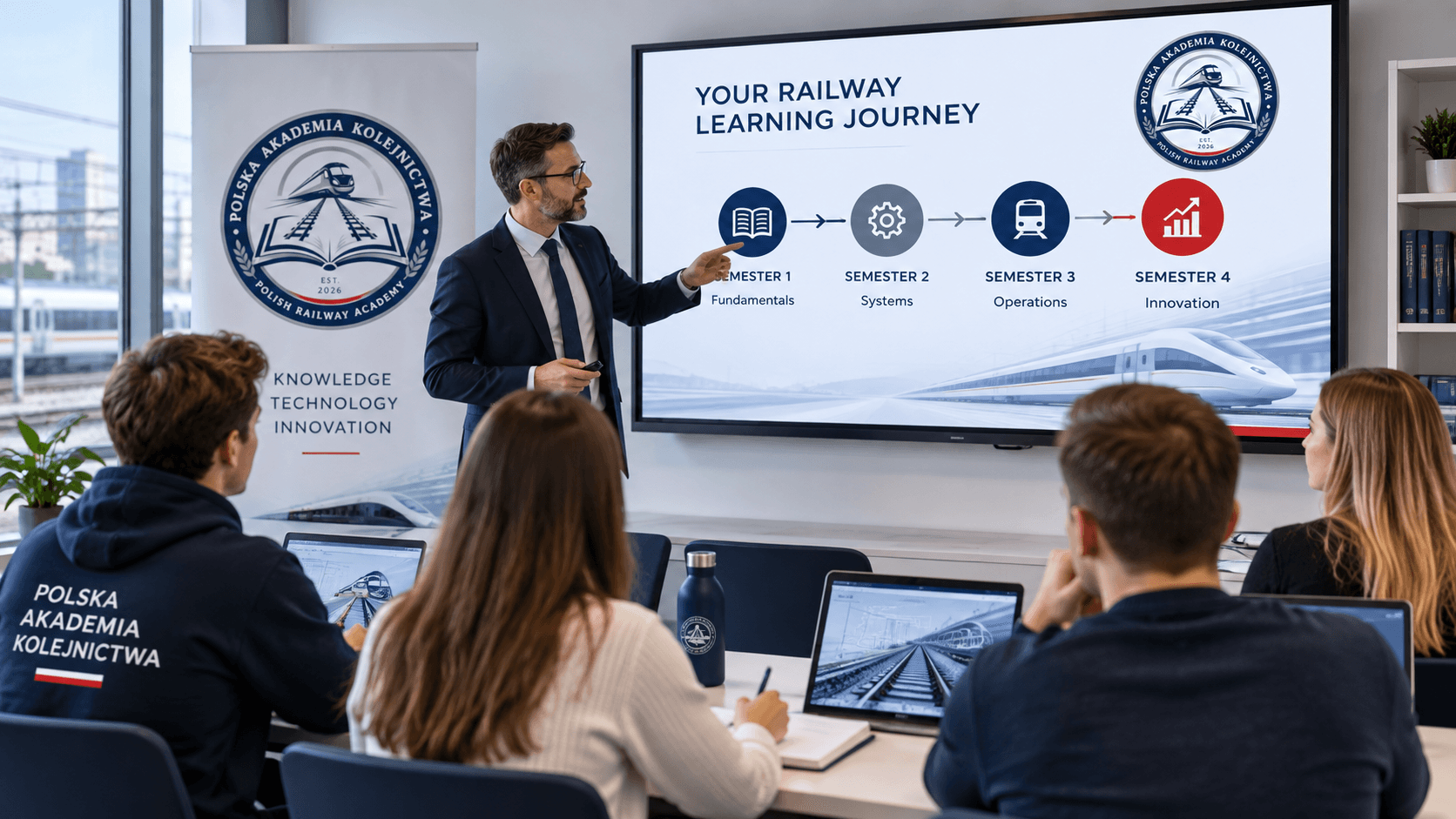
Curriculum
Progress from prerequisites into programme-specific technical depth.
The governed curriculum defines module or semester sequencing, prerequisites and technical scope. Programme pages present that structure without inventing credits, contact hours, assessment weights or regulatory claims that have not yet been approved.
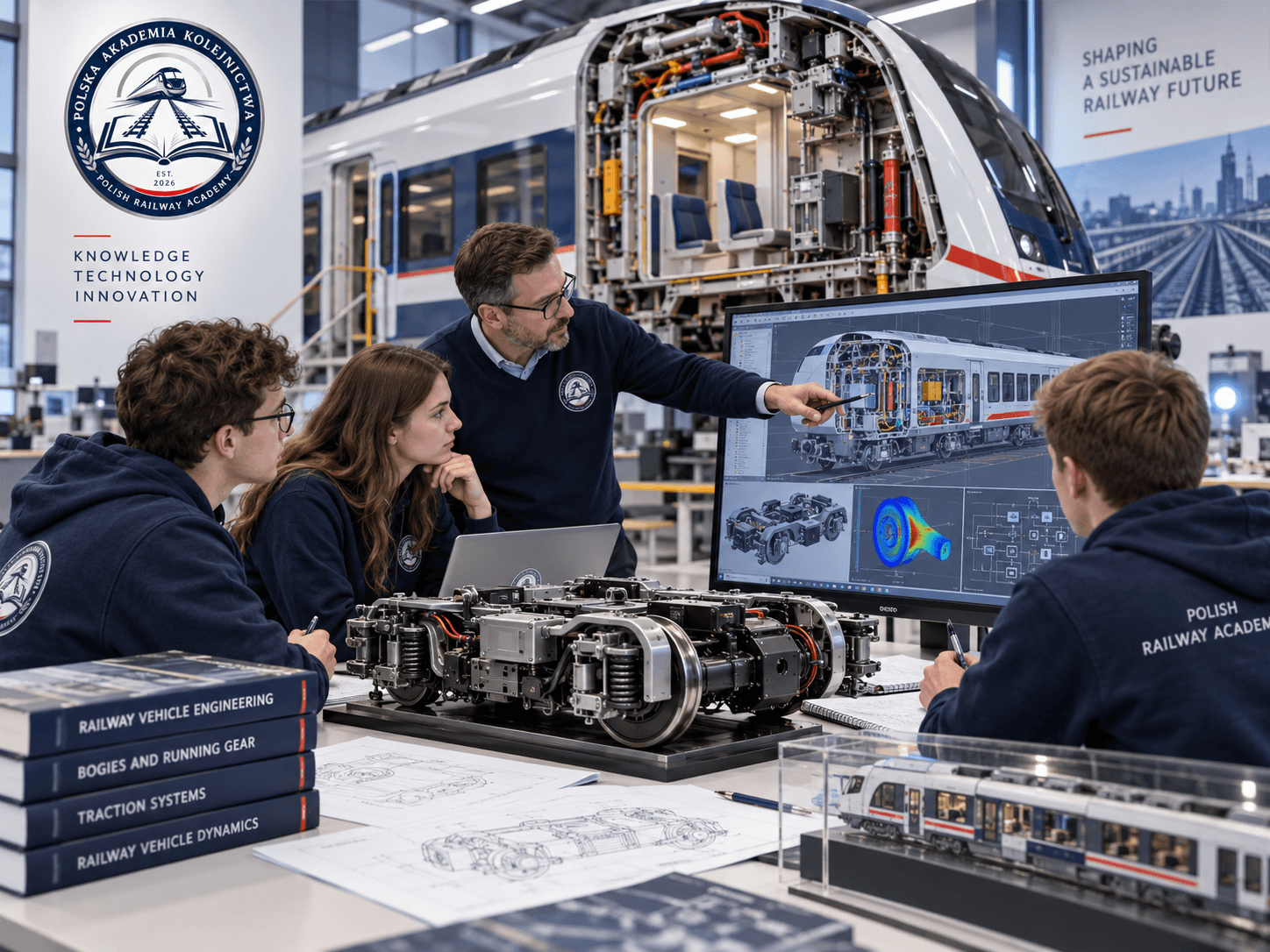
Practical learning
Connect engineering concepts with components, systems and controlled exercises.
Practical activity may include workshop demonstrations, laboratories, simulations, component identification, measurement or case-study work where appropriate to the programme.
Academic practical learning supports understanding and judgement; it does not independently authorize safety-critical work.
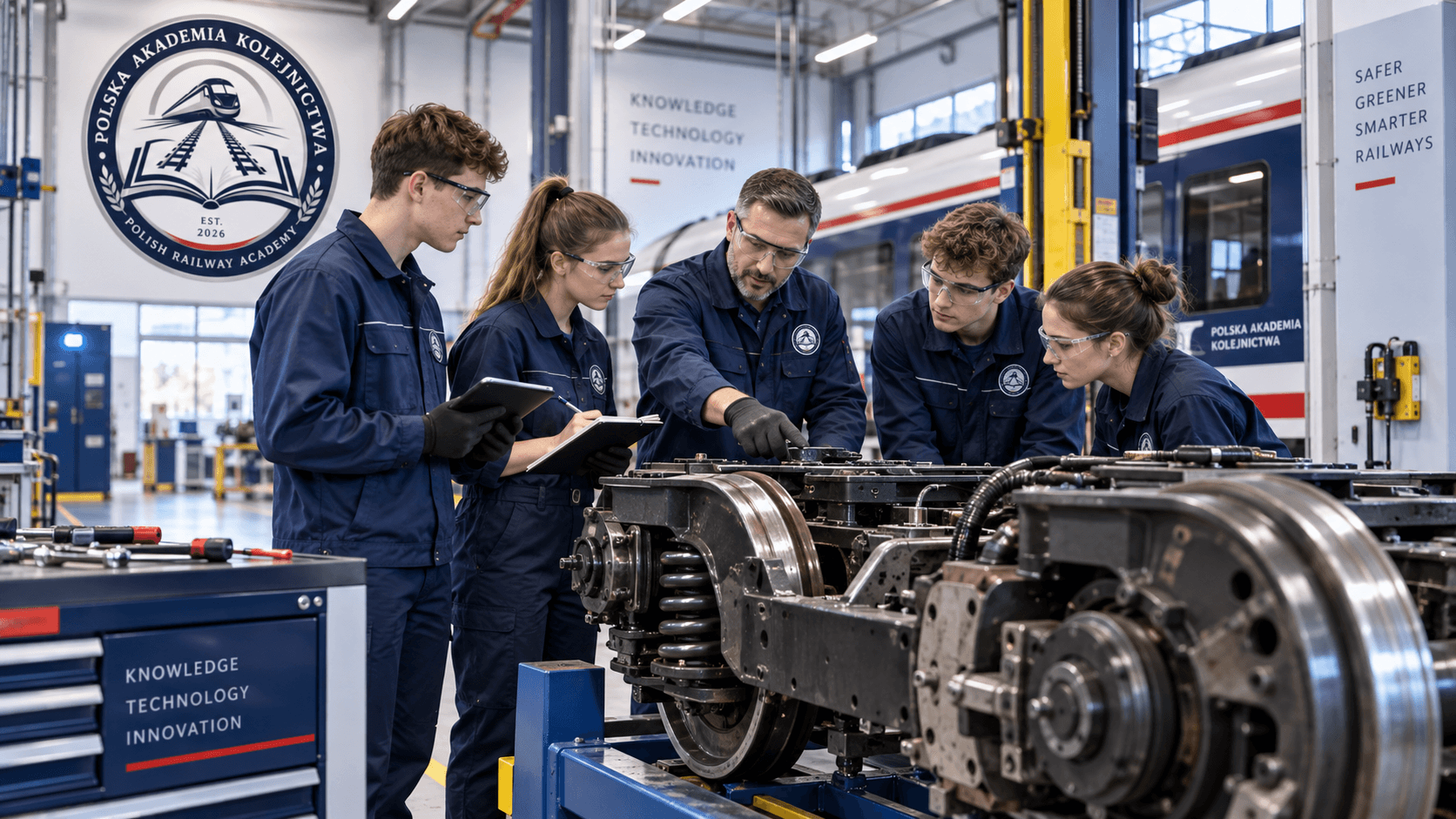
Workshop & laboratory
Study railway systems in an environment that makes interfaces visible.
Rolling stock, mechanical, electrical, control, manufacturing and operations pathways use different practical contexts, but all retain the same principle: system understanding before unsupported competence claims.
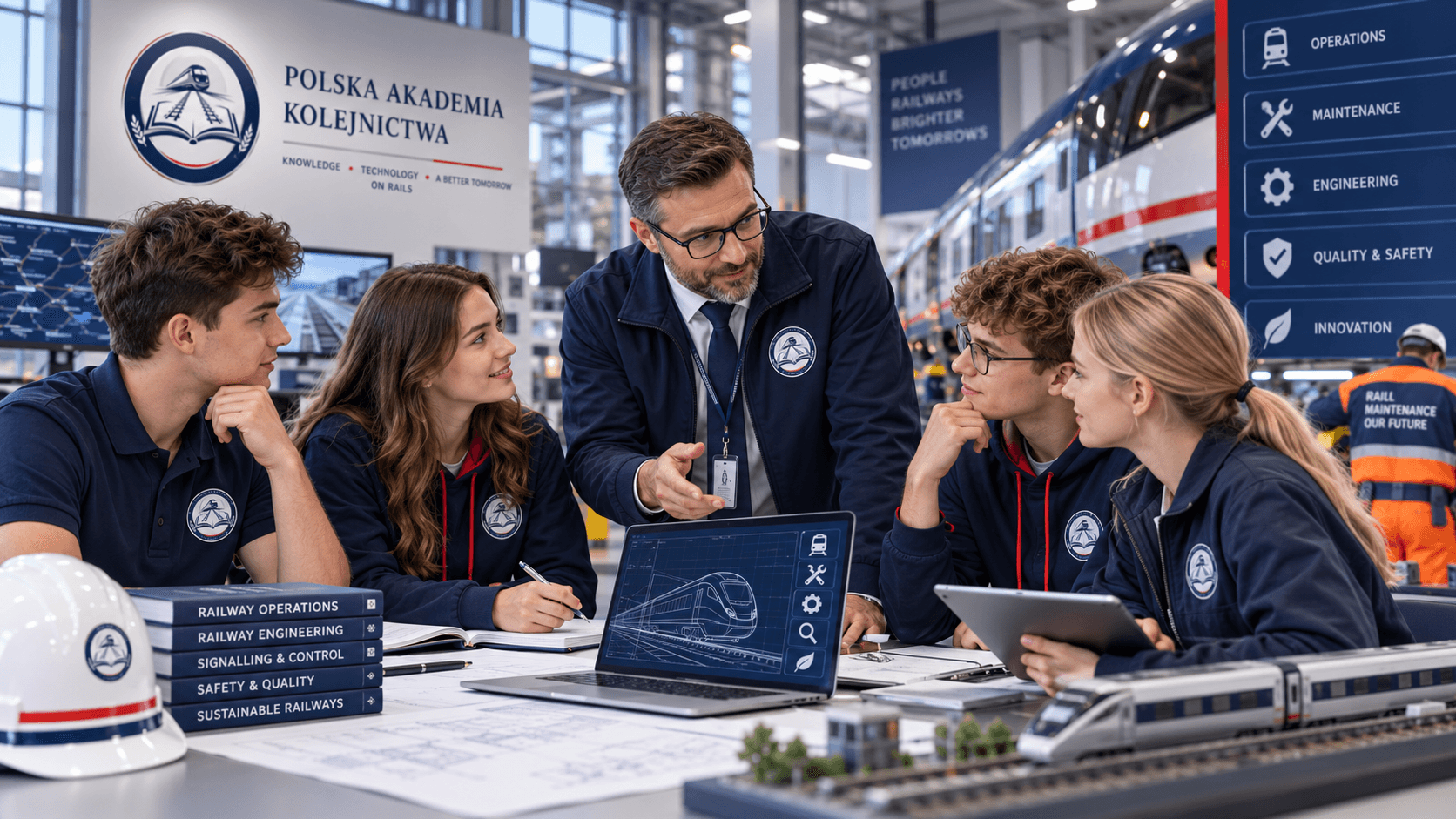
Career pathways
Build knowledge relevant to railway technical and professional environments.
Career-pathway information is descriptive, not a placement guarantee. Roles, employer requirements, certifications and statutory competence remain dependent on the jurisdiction, employer and specific railway function.
Programme information
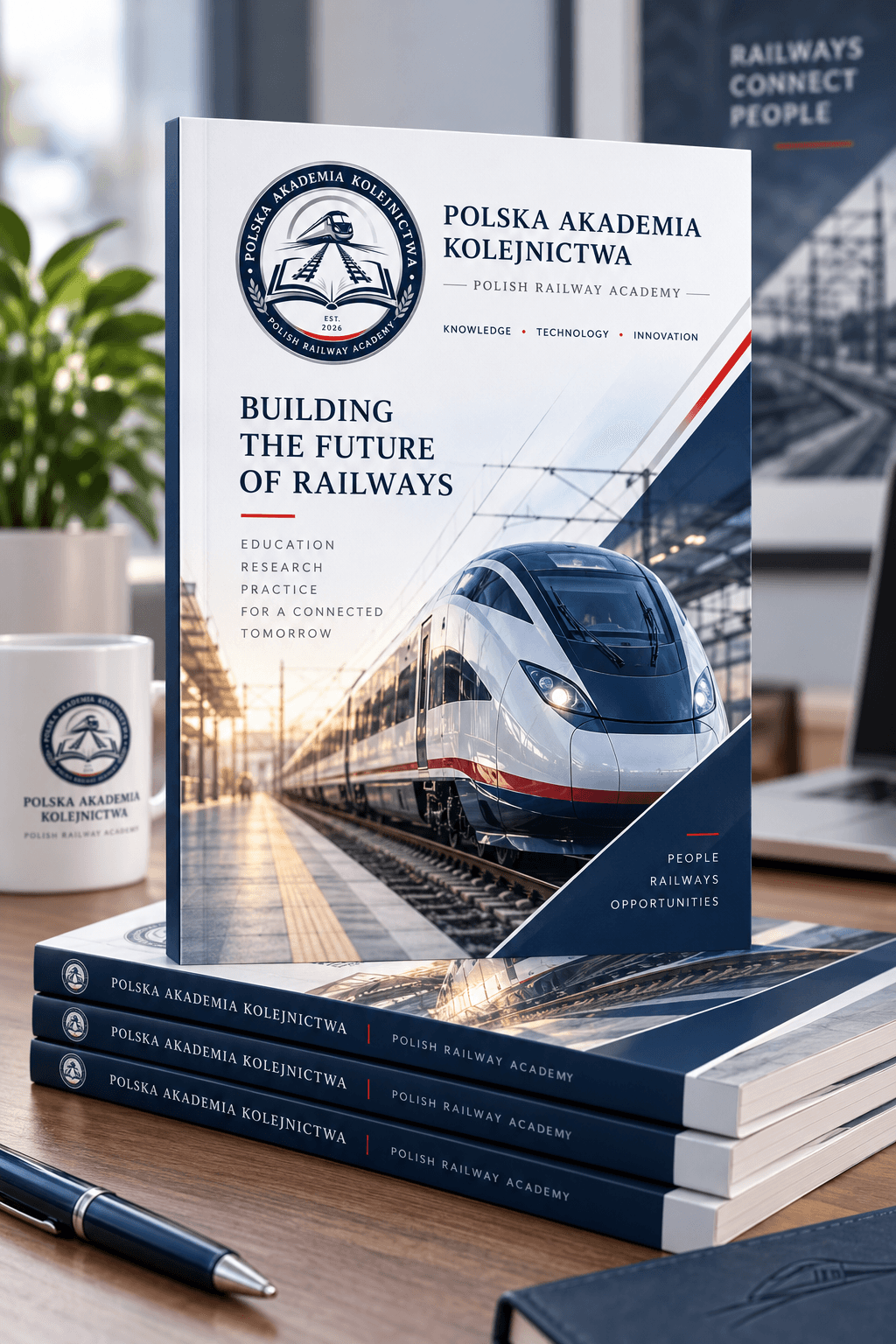
Brochure and detailed curriculum information follow approved academic sources.
A brochure or downloadable publication should only be linked when the corresponding approved file is available. Until then, this visual identifies the programme-information area without creating a false download.

Admissions
Confirm the current entry requirements for PAK-D03.
Entry requirements, intake status and document requirements should be confirmed for the specific programme and intake before an applicant submits documents or makes financial or travel commitments.
Next step